Modern residential design has undergone a profound shift in recent years. Where home improvement once focused almost exclusively on aesthetic updates or maximizing square footage, today’s homeowners increasingly recognize that the physical structure of a house directly impacts the well-being of its occupants. A healthy home is more than just a clean space; it is an integrated ecosystem designed to manage indoor air quality, optimize thermal performance, ensure water purity, and reduce non-renewable energy consumption.
Building a sustainable living space requires viewing the home as an interconnected network of structural envelopes, mechanical systems, and interior finishes. When one component underperforms—such as an unsealed roof deck or a malfunctioning drainage system—the effects ripple throughout the building, leading to elevated energy bills, airborne contaminants, and structural degradation. By taking a proactive, whole-house approach to eco-friendly renovations, you can systematically eliminate toxins, streamline resource usage, and establish an environment that promotes long-term physical wellness.
This comprehensive guide breaks down high-impact green improvement projects across six essential zones of your property. Whether you are addressing interior air filtration, swapping out non-renewable surfaces, or optimizing your outdoor living space, these targeted strategies deliver measurable improvements in both environmental stewardship and daily quality of life.
Maximizing Indoor Air Quality and Thermal Comfort
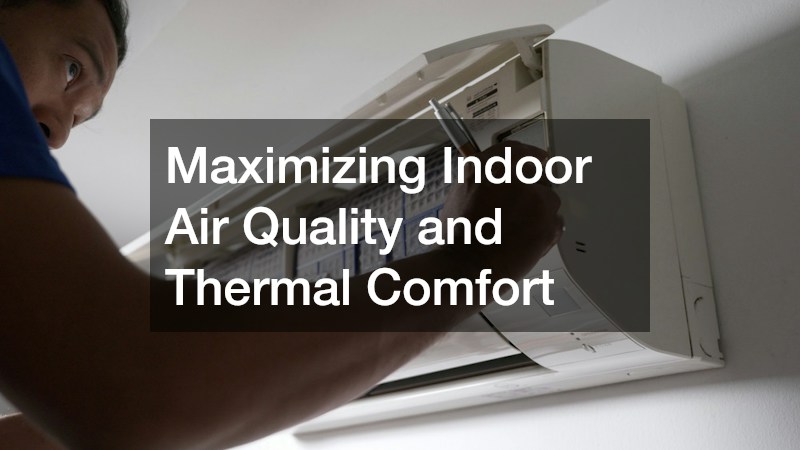
Indoor air pollution is frequently two to five times higher than outdoor air pollution, largely due to synthetic building materials, trapped humidity, and poor ventilation. Achieving a healthy indoor climate requires balancing aggressive airborne contaminant removal with precise temperature and humidity management.
Sealing Mechanical Pathways and Enhancing Airborne Filtration
The ductwork running through your walls, attic, and crawlspaces acts as the respiratory system of your home. Over time, physical seams in sheet metal or flexible ducting can loosen, pulling unconditioned, dusty, and potentially mold-laden air from unheated areas directly into your living spaces.
-
Aero-Sealing and Duct Cleaning Service Connections: Before upgrading your filtration hardware, inspect your distribution network. Hiring a specialized duct cleaning service to remove accumulated particulate matter, pet dander, and construction debris eliminates the reservoir of allergens recirculating through your home. Following up with non-toxic aerosol duct sealing closes microscopic gaps, improving airflow efficiency by up to 30 percent.
-
Transitioning to High-MERV and HEPA Filtration: Standard 1-inch fiberglass filters only protect mechanical blowers from large dust particles. Replacing these with 4-inch deep pleated filters rated MERV 13 or higher captures sub-micron combustion particles, bacteria, and smoke. For ultimate air purity, consider installing a bypass High-Efficiency Particulate Air (HEPA) system that filters 99.97% of particles down to 0.3 microns without restricting system static pressure.
Upgrading Central Heating and Cooling Infrastructure
Legacy fossil-fuel furnaces and older air conditioning units contribute significantly to household carbon emissions while offering imprecise climate control. Modern all-electric heat pump systems represent a leap forward in sustainable residential conditioning.
-
Inverter-Driven Variable-Speed Heat Pumps: Unlike traditional single-stage compressors that blast at 100% capacity before shutting off, inverter-driven heat pumps modulate their speed continuously. This micro-adjustment capability maintains exact indoor temperatures within half a degree, consumes significantly less electricity, and provides superior dehumidification during humid summer months.
-
Partnering with a Qualified HVAC Contractor: Proper system sizing is critical when transitioning to high-efficiency equipment. Working with a certified HVAC contractor who performs a detailed Manual J load calculation ensures your new heat pump matches the exact heat loss and gain profile of your home. An oversized system will short-cycle, leading to high humidity and premature mechanical wear, while an undersized unit will struggle during seasonal temperature spikes.
Sustainable Kitchen Upgrades for Non-Toxic Living
The kitchen is often referred to as the heart of the home, but it can also be a primary source of indoor air pollution. Volatile Organic Compounds (VOCs) off-gassing from cabinetry adhesives, synthetic sealants, and gas combustion lines can linger in food preparation zones for years.
Eco-Conscious Materials and Layout Planning
Transforming your cooking area into a healthy, low-emission zone involves evaluating both structural components and appliance efficiency. Traditional particleboard cabinets often utilize urea-formaldehyde binders, which slowly release carcinogenic gas into your home.
-
Sourcing Non-Toxic Cabinetry and Millwork: When embarking on a major kitchen remodeling project, specify solid wood, FSC-certified plywood, or formaldehyde-free wheatboard for cabinet boxes. Pair these frames with low- or zero-VOC waterborne finishes and plant-based oils to protect interior air quality during and long after installation.
-
Adopting Induction Cooking Technology: Traditional gas cooktops emit nitrogen dioxide ($NO_2$), carbon monoxide, and fine particulate matter directly into your living area. Switching to electromagnetic induction cooktops eliminates indoor gas combustion entirely, transfers 90% of electromagnetic energy directly to the cookware, and boils water in half the time of standard gas burners.
Selecting Earth-Friendly and Hygienic Working Surfaces
Countertop selection plays a major role in the environmental impact and hygienic safety of your kitchen. Highly porous natural stones often require heavy solvent-based chemical sealers, while synthetic solid surfaces rely heavily on petroleum-derived resins.
-
Paper Composite and Recycled Glass Countertops: Modern sustainable options include dense paper-composite slabs made from post-consumer recycled paper bound with non-petroleum resins. These engineered surfaces are non-porous, highly heat-resistant, and completely non-toxic. Alternatively, terrazzo-style recycled glass countertops blend post-industrial glass fragments with low-VOC cement binders for a durable, vibrant finish.
-
Hygienic Maintenance and Surface Longevity: Installing non-porous solid countertops prevents foodborne bacteria, viruses, and mold from penetrating beneath the surface. Because these engineered materials resist staining naturally, you eliminate the need for harsh chemical cleaners, keeping your food preparation environment pristine using simple soap and warm water.
Eco-Conscious Bathroom Modifications and Water Efficiency
Bathrooms account for more than 50 percent of total indoor residential water consumption. Implementing smart water management and moisture control measures transforms these utility spaces into high-performance, low-waste environments.
Precision Plumbing and Water Conservation Systems
Reducing residential water consumption goes beyond taking shorter showers. Modern plumbing infrastructure allows you to optimize every gallon entering your property without sacrificing performance.
-
High-Efficiency Low-Flow Fixtures: Replacing older 3.5-gallons-per-minute (GPM) toilets with dual-flush WaterSense models (using 0.8 to 1.28 gallons per flush) saves thousands of gallons annually. Similarly, retrofitting showerheads with pressure-compensating 1.5 GPM flow restrictors maintains satisfying spray force while drastically cutting hot water demand.
-
Consulting Local Plumbing Services for Leak Audits: Microscopic leaks inside walls or under floorboards silently waste water while creating prime conditions for structural rot and black mold. Scheduling routine inspections with local plumbing services ensures that hidden pipe corrosion is caught early, pressure-reducing valves are properly set, and greywater diversion lines are correctly connected to outdoor irrigation systems.
Non-Toxic Moisture Management and Ventilation
High humidity levels make bathrooms particularly vulnerable to microbial growth. Controlling moisture requires a combination of continuous air exchange and non-toxic surface barriers.
-
Smart Humidity-Sensing Exhaust Fans: Standard bath fans are frequently left running too short a time to clear moisture—or left on indefinitely, venting conditioned indoor air outside. Installing energy-efficient, DC-motor exhaust fans equipped with integrated humidity sensors ensures ventilation runs automatically until indoor relative humidity drops below 50 percent.
-
Collaborating with a Local Bathroom Remodeler: Moisture-proofing shower enclosures requires specialized waterproofing membranes and non-toxic grouts. Working alongside a skilled local bathroom remodeler allows you to specify zero-VOC liquid waterproofing barriers, cementitious backer boards, and naturally antimicrobial tile materials like porcelain or recycled glass, preventing water intrusion without exposing your household to harsh chemical off-gassing.
Building a High-Performance Exterior Envelope

Your home’s exterior envelope—consisting of the roof, walls, windows, and perimeter boundaries—serves as the primary barrier against environmental elements. Fortifying this envelope optimizes energy retention and shields your living space from seasonal climate extremes.
Cool Roof Technologies and Attic Thermal Retention
The roof deck receives the most direct solar radiation of any surface on your home. In severe summer heat, conventional dark asphalt shingles can reach temperatures exceeding 150°F, radiating intense heat downward into your living spaces.
-
Cool Roofs and Solar-Ready Materials: Upgrading your roof system to reflective metal standing-seam panels or cool-rated architectural asphalt shingles reflects up to 65% of solar energy away from the building. This reduces attic temperatures by up to 50°F, drastically easing the workload on your air conditioning equipment.
-
Hiring a Local Residential Roofer for Envelope Integrity: A roof upgrade is only as effective as its air sealing and ventilation strategy. Engaging a reputable local residential roofer guarantees that your project includes high-density continuous insulation, self-adhering ice and water shields, and properly balanced ridge and soffit vents. This comprehensive approach prevents winter ice damming, stops air leakage, and prepares your home for future solar panel integration.
Sustainable Perimeter Boundaries and Natural Windbreaks
Outdoor boundaries do more than mark property lines; when designed thoughtfully, they contribute to passive thermal regulation and regional ecosystem health.
-
Certified Sustainable Timber and Recycled Composites: Traditional pressure-treated wood fencing often relies on synthetic chemical preservatives. When replacing perimeter barriers, opt for naturally rot-resistant timber like Western Red Cedar or Black Locust harvested from sustainably managed forests. Alternatively, recycled HDPE plastic fencing utilizes post-consumer milk jugs and detergent bottles to create a 100-year, zero-maintenance boundary that never requires chemical staining.
-
Selecting Responsible Fencing Companies: The installation process for property barriers should minimize soil disruption and root damage to existing trees. Working with environmentally conscious fencing companies ensures that post holes are dug with minimal topsoil compaction and anchored using eco-friendly, low-carbon concrete alternatives or removable steel ground screws.
Transforming Outdoor Spaces into Eco-Friendly Retreats
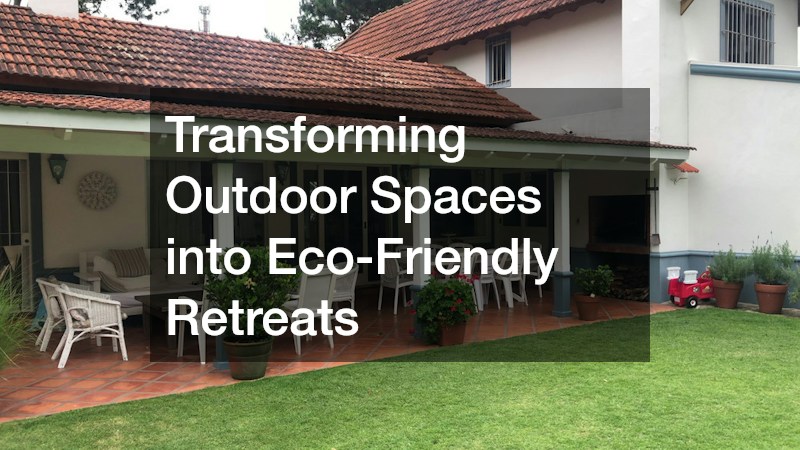
Creating a healthy home environment extends beyond your exterior walls into your yard and recreational spaces. Sustainable outdoor planning reduces electricity use, conserves municipal water supplies, and supports local biodiversity.
Low-Voltage and Solar Illumination Strategies
Conventional high-voltage outdoor lighting fixtures draw significant grid power and contribute to light pollution that disrupts local nocturnal ecosystems. Modern landscape lighting designs prioritize subtle, directed efficiency.
-
Dark-Sky Compliant LED Fixtures: Upgrade outdoor pathways and architectural accents with low-voltage (12V) LED systems or self-contained solar fixtures. Ensure all outdoor fixtures carry Dark-Sky International certification, meaning they feature down-directed shields that prevent light from spilling upward into the night sky or sideways into neighboring properties.
-
Smart Zoning and Motion Automation: Connect exterior lighting circuits to astronomical timers or smart automation hubs that automatically adjust on/off schedules based on seasonal sunrise and sunset times. Integrating motion sensors along entry walkways enhances security while keeping lights off when spaces are unoccupied.
Natural Swimming Pools and Water-Efficient Filtration
Traditional residential swimming pools rely heavily on large amounts of liquid chlorine, algaecides, and high-wattage single-speed pump systems that consume massive amounts of energy.
-
Eco-Conscious Sanitation and Variable-Speed Pumps: Modern aquatic design focuses on reducing chemical dependency and electrical load. Transitioning to salt-water chlorine generation or secondary Ozone/UV sterilization systems breaks down chloramines, eliminating harsh chemical odors and skin irritants. Pair these sanitation systems with ENERGY STAR-certified variable-speed pumps, which run at lower RPMs for filtration, cutting energy consumption by up to 80 percent compared to legacy single-speed units.
-
Partnering with Specialized Pool Builders: If you are planning a new pool construction or major retrofit, consult experienced pool builders who specialize in natural swimming pools or insulated pool shells. Natural pools utilize bio-filters and aquatic plants in a secondary regeneration zone to clarify water without any synthetic chemicals, providing a swimming experience that feels like a pristine natural freshwater lake.
Transforming your home into a healthy, eco-friendly haven is an ongoing journey rather than an overnight overhaul. By systematically addressing structural envelopes, indoor air filtration, water systems, and outdoor living spaces, you create a residence that actively protects your health while minimizing its impact on the natural environment.
Taking a whole-home approach ensures that every improvement complements the next. Sealing ductwork boosts mechanical heating efficiency, choosing non-toxic interior materials preserves the clean air generated by high-efficiency filtration, and installing water-saving plumbing fixtures reduces load on water heating systems. Each deliberate choice contributes to a more resilient, cost-effective, and comfortable living space.
Investing in sustainable home improvements delivers continuous dividends. Beyond lower utility bills and increased property value, you gain the priceless peace of mind that comes from living in a clean, non-toxic environment engineered to support your family’s health for decades to come.