
Enhancing Family Health Through Smart Home Maintenance Investments
When we think of family wellness, we typically picture nutritious diets, regular exercise routines, and ensuring everyone gets an adequate amount of sleep. However, the physical environment where your family spends the majority of their time plays an equally critical, yet often overlooked, role in their overall health. A house is much more than just a passive shelter; it is an active, breathing system that interacts directly with the people living inside it. By strategically investing in structural maintenance, moisture control, outdoor recreation spaces, and emergency preparedness, homeowners can transform their property into a true sanctuary. These proactive investments actively promote physical health, mental clarity, and daily safety, ensuring that the home supports the family’s wellness goals rather than silently working against them.
Optimizing Indoor Air Quality and Preventing Structural Moisture
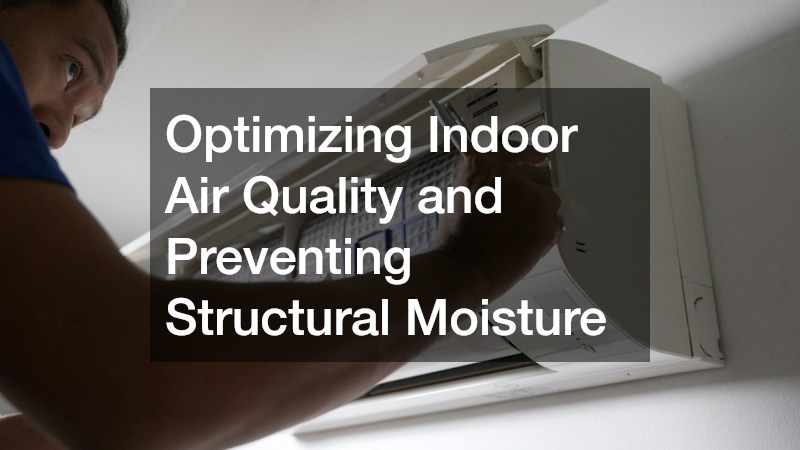
The air you breathe inside your home can often be more polluted than the air outside, particularly in modern, tightly sealed, energy-efficient houses. Without proper management, dust mites, pet dander, volatile organic compounds (VOCs) from cleaning supplies, and seasonal allergens become trapped indoors. This stagnant, contaminated air constantly circulates through the ductwork, irritating the respiratory systems of everyone in the household and often acting as a primary trigger for asthma and chronic allergies. Furthermore, if the home’s outer envelope is compromised, external moisture can seep into the framing, creating a breeding ground for toxic black mold that releases harmful spores into the air you breathe.
To optimize your indoor air quality and protect your home’s structural integrity, consider implementing these actionable health strategies:
-
Upgrade to medical-grade filtration: Schedule biannual duct cleanings to remove years of accumulated debris. Transition from standard fiberglass filters to high-efficiency particulate air (HEPA) filters, which can capture microscopic allergens, dust mites, and pet dander before they circulate into your bedrooms.
-
Audit the attic and upper ceilings: Regularly inspect your upper floors for yellowing water stains or damp smells. Preventing water intrusion at the highest point of the house stops toxic mold from colonizing in hidden insulation, which can cause severe neurological and respiratory issues over time.
-
Install smart climate and air monitors: Upgrade to smart thermostats equipped with integrated indoor air quality (IAQ) monitors. These devices track ambient humidity and airborne VOCs in real-time, automatically triggering the ventilation system when the air becomes stale or contaminated.
Securing the building envelope is the first line of defense against moisture-related health issues. Bringing in a reputable roofing company to replace missing shingles, seal failing flashing around chimneys, and inspect the underlayment ensures that seasonal rains and melting snow do not introduce health-compromising dampness into the home’s wooden framing. Once the exterior is completely sealed against moisture, you can focus on the internal climate. Partnering with certified HVAC contractors for regular seasonal tune-ups ensures that your ventilation system operates at peak efficiency, circulating clean, purified, and properly humidified air rather than spreading trapped dust and bacteria throughout your living spaces.
Eradicating Hidden Mold and Securing Clean Water Sources
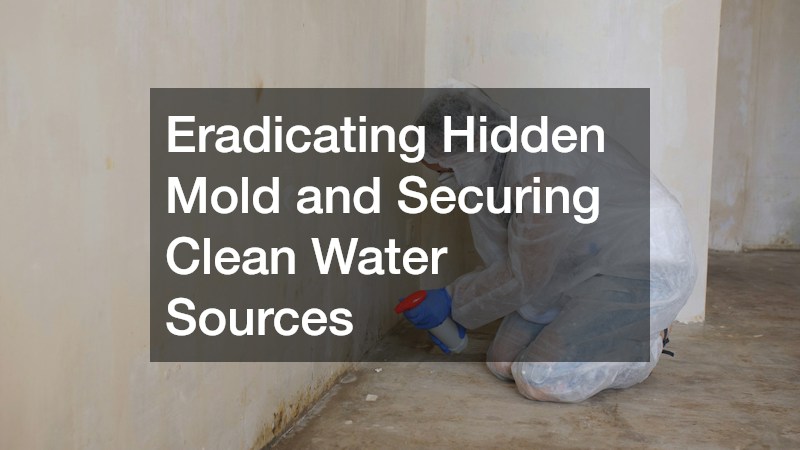
Hydration and hygiene are foundational pillars of human health, making your home’s plumbing and water distribution systems critical components of family wellness. Unfortunately, municipal water supplies and aging pipes can introduce heavy metals, chlorine, and microplastics into your drinking and bathing water. Simultaneously, the rooms where we use the most water—namely the kitchen and the bathrooms—are highly susceptible to dangerous fungal growth. When standing water and high humidity are not aggressively managed, mold and mildew quickly take over grout lines, drywall, and hidden spaces beneath sinks, releasing allergens that compromise immune systems.
In wet rooms, the combination of organic material (like soap scum and skin cells), warmth, and moisture creates the perfect environment for bacteria to thrive. Mitigating these risks requires a proactive approach to both water filtration and ambient moisture extraction.
Protect your family’s hygiene and hydration by executing the following maintenance upgrades:
-
Install point-of-use water filtration: Do not rely solely on refrigerator filters. Install robust, multi-stage water filtration systems or reverse osmosis units under the kitchen sink to aggressively remove heavy metals, chemical runoff, chlorine, and microplastics from the water your family consumes daily.
-
Upgrade bathroom exhaust fans: Standard builder-grade fans are often too weak to properly vent steam. Upgrade to high-CFM (cubic feet per minute) models equipped with automatic humidity sensors. These fans aggressively pull moisture out of the room during and after a shower, stopping mildew growth on grout lines and ceilings.
-
Transition to seamless, antimicrobial surfaces: Swap out porous, difficult-to-clean bathroom fixtures, laminate counters, and deeply grouted tiles for seamless solid surfaces and antimicrobial finishes that allow you to maintain a sterile hygiene environment with minimal harsh chemical cleaners.
Maintaining the unseen network of pipes behind your walls is just as important as the fixtures you use every day. Advise your family to bring in a reliable local plumbing company to conduct an annual leak detection audit and professionally flush the hot water heater. This routine service removes calcified sediment and prevents dangerous bacterial buildup inside the tank, ensuring clean, safe water for cooking and bathing. In the bathroom, you can further reduce mold habitats by utilizing a professional shower door service to replace old, mold-harboring shower curtains or corroded metal tracks with frameless, easy-to-sanitize tempered glass. This simple upgrade removes a major source of bathroom bacteria while making the space vastly easier to keep thoroughly sterilized.
Expanding Usable Square Footage for Active, Stress-Free Living
Mental health and family bonding are deeply influenced by the spatial design of your property. Homes that feel cramped or lack designated areas for relaxation can inadvertently elevate stress levels and increase screen time. By transforming your backyard into highly functional, usable square footage, you give your family a private retreat that encourages physical activity, healthier eating habits, and deeper interpersonal connections. Spending time outdoors has been scientifically proven to lower cortisol levels, reduce blood pressure, and improve overall mood, making exterior renovations one of the smartest investments in your family’s psychological well-being.
Creating specific zones for different activities—such as dining, exercising, and resting—allows the family to seamlessly integrate wellness practices into their daily routines without having to pack up and drive to a park or a gym.
To maximize the health benefits of your outdoor spaces, consider these strategic design tips:
-
Create dedicated outdoor dining areas: Set up a comfortable, shaded dining space to encourage “screen-free” family meals. Studies consistently show that eating together without digital distractions drastically reduces childhood anxiety, improves communication, and leads to slower, more mindful nutritional choices.
-
Designate a specific zone for physical recreation: Dedicate a flat, safe area in the backyard for daily movement. Whether it is a hardscape sports court for basketball, a soft lawn area for soccer, or a quiet wooden deck for morning yoga, making exercise highly accessible encourages all age groups to stay active.
-
Incorporate structural shade solutions: Protect your family’s skin from harmful UV exposure during peak afternoon hours by building pergolas, installing retractable awnings, or planting large canopy trees over primary seating areas.
Food preparation and physical exercise are two of the most critical aspects of preventative health. Working with experienced outdoor kitchen contractors to build a functional exterior cooking space is a fantastic way to keep the intense heat, odors, and smoke of meal prep out of the main house during the summer. Furthermore, an outdoor grill setup naturally encourages healthier, lean-protein dinners and increased vegetable consumption. For cardiovascular health, nothing quite matches the immense benefits of maintaining a pristine residential pool in your own backyard. It provides the entire family with a highly accessible, low-impact exercise option that builds endurance and muscle strength, while also serving as a private, stress-relieving recreation space for the whole neighborhood to enjoy safely.
Mitigating Outdoor Pests and Securing Environmental Boundaries

While spending time outdoors is vital for health, the exterior environment also harbors natural threats that must be managed to keep your family safe. Ticks, mosquitoes, and rodents are more than just a nuisance; they are primary vectors for dangerous illnesses such as Lyme disease, West Nile virus, and hantavirus. Overreliance on harsh, broad-spectrum chemical pesticides to manage these threats can introduce a new set of respiratory and neurological hazards to your children and pets. The most effective and health-conscious way to mitigate outdoor pests is to physically manipulate the environment to make it inhospitable to them, focusing heavily on water management and structural barriers.
Additionally, the boundary between your home and the garage is a critical, often neglected environmental barrier. Garages store vehicles that emit carbon monoxide, as well as lawn chemicals, paints, and solvents that off-gas toxic fumes. Securing this transition zone is essential to keeping your indoor breathing air pure.
Implement these preventative strategies to secure your property lines and reduce chemical exposure:
-
Eliminate all standing water: Walk your property weekly to empty birdbaths, clogged gutters, and children’s toys. Standing water is the primary breeding ground for mosquitoes, and eliminating it disrupts their life cycle without the need for toxic foggers.
-
Transition to smart, dawn-only watering schedules: Fungal growth and lawn diseases attract pests. Program your watering systems to run only in the early morning. Evening watering leaves the soil damp overnight, promoting the growth of harmful molds and attracting destructive insects.
-
Inspect and replace garage weatherstripping: Thoroughly examine the door connecting your garage to your main living space. Install heavy-duty weatherstripping and a solid bottom sweep to prevent harmful carbon monoxide exhaust, chemical fumes, and migrating rodents from seeping into your home’s breathing air.
Proper water management is the key to a healthy landscape. Upgrading to a smart, weather-integrated irrigation system prevents yard flooding and chronic overwatering. By delivering exactly the right amount of water based on real-time meteorological data, you naturally reduce the damp habitats that ticks, mosquitoes, and molds thrive in, drastically cutting down your reliance on harsh chemical yard sprays. To further secure your home’s perimeter, hire a trusted local garage door contractor to install an insulated, tightly sealed exterior door. A properly fitted garage door keeps rodents, raccoons, and other pests from seeking shelter inside, effectively preventing them from eventually chewing through drywall and migrating into the home’s kitchen or pantry.
Building Resilience Against Extreme Weather and Physical Injuries
A truly healthy home must also be a supremely safe home, capable of protecting its inhabitants during emergencies and accommodating them as their physical needs change over time. Extreme weather events, unpredictable grid failures, and severe winter storms are becoming increasingly common. When a home loses power, it quickly loses its ability to regulate temperature, preserve food, and power life-saving medical equipment. Furthermore, the daily layout of a home can pose significant physical risks, particularly for aging grandparents or young toddlers. Slips, trips, and falls are among the leading causes of residential injuries, yet they are almost entirely preventable through thoughtful, universal design.
Building resilience means preparing the home to support human life independently during a crisis, while also proactively smoothing out the physical friction points of daily life to prevent traumatic injuries before they occur.
To safeguard your family against both sudden emergencies and daily physical hazards, take the following actions:
-
Systematically eliminate tripping hazards: Walk through the home specifically looking for uneven flooring transitions, loose rugs, and high-threshold entryways. Secure carpets, install smooth transition strips between different flooring materials, and ensure staircases have secure, reinforced handrails on both sides.
-
Secure critical health infrastructure for grid failures: Make a plan to ensure that essential health devices—such as CPAP machines, oxygen concentrators, and refrigerators storing vital medications like insulin—can operate entirely uninterrupted during severe, multi-day municipal power outages.
-
Upgrade ambient and task lighting: Poor visibility is a leading cause of household falls. Upgrade lighting in hallways, stairwells, and bathrooms. Install motion-sensor nightlights to reduce eye strain and help elderly family members or young children safely navigate the house in the dark.
Do not leave your family’s safety to chance during a severe weather event. It is of life-saving importance to contract a reputable generator company to properly size and install an automatic standby power unit. This ensures that extreme winter temperatures and medical device failures are never a threat during a blackout, as the system will automatically restore power to the home’s critical circuits within seconds of a grid failure. To address the physical layout of the house, consult with a certified home remodeling contractor to implement “aging-in-place” features. By proactively widening doorways to accommodate mobility aids, installing curbless walk-in showers to prevent slipping, and reinforcing bathroom walls for heavy-duty grab bars, you can proactively prevent severe household injuries and ensure the home remains a safe haven for every generation of your family.
By proactively addressing hidden moisture, securing clean air and water systems, promoting outdoor physical activity, and preparing the property for severe emergencies, you systematically remove the daily environmental stressors that silently tax your family’s health. Your home should be the ultimate sanctuary, actively contributing to your peace of mind and physical vitality. Walk through your property this week with a fresh perspective, identify one structural area or mechanical system that could be optimized for better health, and take the proactive step to upgrade it before it becomes a hazard to the people you love most.