This article explores various strategies and services that can lead to significant energy savings and reduced costs in home management.
One of the most effective ways to lower energy costs is by improving your home’s insulation and sealing any air leaks. Drafts around windows, doors, and attic spaces can cause your heating and cooling systems to work harder than necessary, leading to higher utility bills. By addressing these issues with weatherstripping, caulking, or upgraded insulation materials, homeowners can create a more stable indoor environment while reducing energy waste over time.
Another important factor to consider is the efficiency of your home’s appliances and systems. Upgrading to energy-efficient models, such as modern HVAC units, water heaters, and ENERGY STAR-rated appliances, can significantly cut down on energy consumption. Regular maintenance, including filter changes and system inspections, also helps these systems operate more efficiently, extending their lifespan and improving overall performance.
In addition to physical upgrades, adopting smart home technology can further enhance energy savings. Programmable thermostats, smart lighting systems, and automated energy monitors allow homeowners to better control and track their usage. These tools make it easier to identify patterns, reduce unnecessary consumption, and make informed decisions that contribute to long-term cost savings and a more sustainable home.
1. How can a furnace improve energy efficiency?
Regular furnace service is crucial for maintaining energy efficiency within a home. Routine maintenance ensures that the furnace operates at its peak performance, reducing energy waste. Homeowners should prioritize scheduling a furnace service at least once a year.
Choosing the right service provider is essential; they should be experienced and reputable. An efficient furnace can drastically lower heating bills. These cost benefits are important for long-term financial savings as well as environmental sustainability.
Efficient furnaces contribute to a reduced carbon footprint by using less energy. The energy-efficient operation allows for a more comfortable home environment. Regular check-ups and cleanings help identify and fix issues before they become severe problems.
Homeowners can further improve furnace performance by paying attention to airflow throughout the home. Keeping vents unobstructed and regularly replacing air filters allows the system to distribute heat evenly and operate without unnecessary strain. When airflow is restricted, furnaces must work harder to maintain desired temperatures, which can lead to increased energy use and premature wear on components.
Another way to support long-term efficiency is by upgrading older thermostats to programmable or smart models. These devices allow for more precise temperature control and can automatically adjust settings based on your daily routine. By reducing heating output when it is not needed, such as during work hours or overnight, homeowners can lower energy costs while still maintaining comfort when it matters most.
It is also important to recognize when a furnace may be nearing the end of its lifespan. Even with proper maintenance, older systems often become less efficient and more prone to breakdowns. Evaluating the age and performance of your unit can help you determine whether repairs are sufficient or if investing in a newer, high-efficiency model would provide better long-term value and reliability.
2. What are the benefits of energy-efficient HVAC systems?
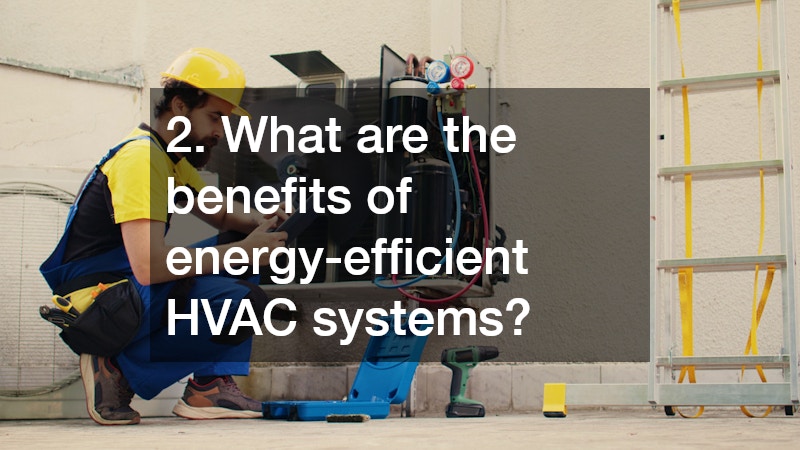
Advancements in air conditioning technology have made energy-efficient units more accessible and affordable. Modern air conditioning systems consume less energy while providing superior cooling. Homeowners can benefit from significant reductions in energy bills without sacrificing comfort during the warmer months.
The Seasonal Energy Efficiency Ratio (SEER) is a critical measurement when choosing an air conditioning unit. Higher SEER ratings represent better energy efficiency, often resulting in cost savings over time. Evaluating SEER ensures that the system operates at maximum efficiency despite fluctuating temperatures.
Cost-saving calculations reveal potential annual savings from upgraded air conditioning. These calculations show a rapid return on investment, convincing many homeowners to update their systems. Lower energy consumption not only saves money but also contributes to a greener environment.
Beyond the initial upgrade, consistent maintenance plays a major role in maximizing those savings over time. Scheduling seasonal tune-ups, cleaning coils, and checking refrigerant levels can help your system operate at peak efficiency. When each component functions properly, your air conditioner does not have to work as hard, which helps keep energy costs predictable and manageable.
Proper system sizing is another important factor that directly impacts performance and efficiency. An air conditioning unit that is too large or too small for your space can lead to uneven cooling, higher energy use, and unnecessary wear. Working with a professional to evaluate your home’s layout and cooling needs can help you select a system that delivers reliable comfort without excess energy consumption.
Homeowners can also enhance efficiency by improving insulation and minimizing heat gain throughout the home. Sealing windows, using blackout curtains, and adding insulation in key areas can reduce the strain on your air conditioning system. These small adjustments work together with your upgraded unit to create a more comfortable indoor environment while supporting long-term energy savings.
3. When should you consider heating repairs?
Identifying signs of a faulty heater can prevent severe issues and energy waste. Common indicators include inconsistent heating, unusual noises, or rising energy bills. Addressing these signs early with professional heater repairs can maintain optimal efficiency.
Deciding between DIY repairs and professional services often depends on the complexity of the issue. Professional repairs ensure that problems are resolved correctly, preventing future malfunctions. Professional services also provide peace of mind and protect warranty terms.
Efficient heater repairs contribute to long-term energy savings by preventing unnecessary wear and tear. Keeping a heater in good condition ensures it operates without excessive energy use. Regular repairs and maintenance optimize performance and extend the heater’s lifespan.
4. Why consult a roofer for energy efficiency?
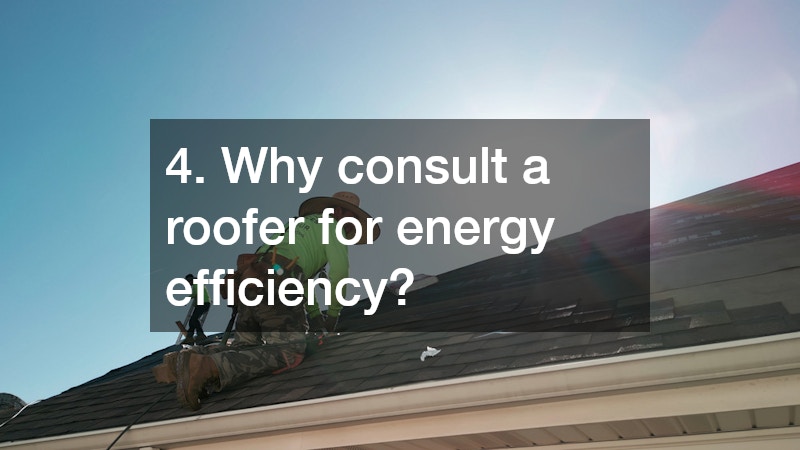
Roof inspections by a skilled roofing professional help identify areas where energy might be lost. Regular checks ensure roofs remain effective barriers against heat loss and weather conditions. These inspections can lead to proactive measures that enhance home’s energy efficiency.
Energy-efficient roofing materials like reflective shingles or tiles can significantly reduce heating and cooling costs. These materials minimize heat absorption into the home, helping maintain a stable internal temperature. Consulting a roofing professional helps select the best option for your climate and budget.
Proper roof ventilation is critical for preventing energy loss and improving indoor air quality. Correctly ventilated roofs contribute to an efficient energy ecosystem within a home. A roofing professional can assess ventilation needs and suggest enhancements that provide clear benefits.
5. How does waterproofing impact energy savings?
Basement waterproofing services act as a barrier against water and moisture ingress, which can lead to significant heat loss. Proper sealing reduces the dampness that penetrates into closed spaces, maintaining a more efficient thermal environment. By preventing moisture, energy savings increase as the need for additional heating decreases.
A dry basement contributes to better energy management by minimizing the load on heating systems. This reduction in energy requirements directly correlates with decreased energy expenditures. Homeowners often see a return on investment in fewer energy costs over time.
Advanced waterproofing techniques, including the use of sealing compounds and efficient drainage systems, enhance energy savings. These solutions not only prolong building life but also support an energy-efficient home. Energy savings make waterproofing a wise choice for performance and economy.
6. What should you consider when hiring a metal or slate roofer?

The advantages of metal roofing are numerous, including durability, low maintenance, and energy efficiency. Metal roofs often come in reflective colors that reduce the amount of heat entering a building. When hiring a metal roofer, ensure they have experience and references to assure quality installation.
Metal roofing’s energy reflective properties significantly decrease air conditioning costs. During summer, these roofs reflect solar radiation, contributing to a cooler home interior. As energy costs drop, savings accumulate, making a metal roof an excellent long-term investment.
Longevity and cost efficiency are crucial considerations, as metal roofs typically offer a lifespan exceeding other materials. High upfront costs are balanced by minimal maintenance and energy savings. Collaborating with a certified metal roofer ensures the installation maximizes these benefits.
7. How does siding affect your home’s energy efficiency?
Choosing a professional siding company ensures optimal selection and installation of energy-efficient materials. Correctly chosen siding can enhance a home’s insulative properties, reducing energy costs. Homeowners benefit from decreased utility bills while enjoying better climate control.
Modern siding materials offer substantial advancements in insulation, particularly against harsh weather. The added insulative layers work like a blanket, retaining warmth in the winter and keeping interiors cool during summer. Relying on expert advice helps select the most suitable options for specific energy needs.
A cost vs savings analysis reveals that investing in quality siding pays for itself over the long term. The financial advantages of reduced heating and cooling costs quickly offset installation expenses. Collaborating with a seasoned siding company ensures that these savings are realistic and sustainable.
8. Why work with an insulation company?
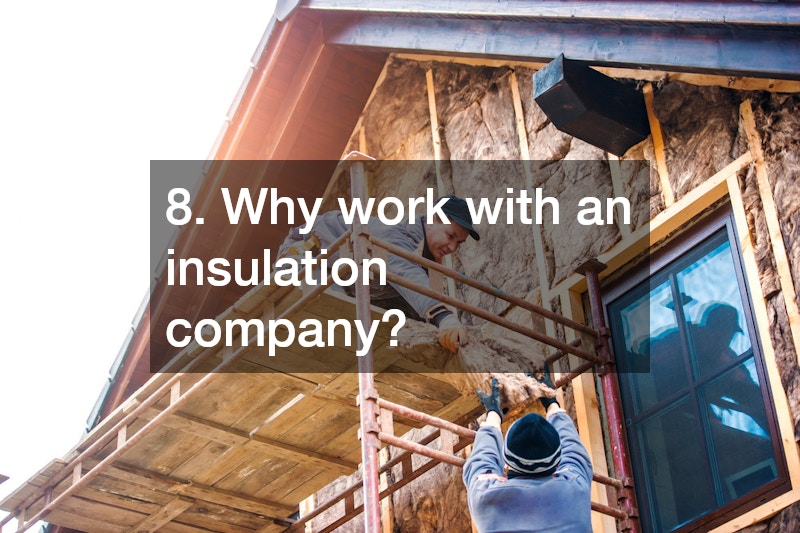
Local expertise and materials offer valuable benefits when improving home insulation. A local insulation company understands the specific climate and building standards, providing tailored solutions. Knowledge of available regional materials ensures that installations are efficient and cost-effective.
Custom insulation solutions cater to the specific needs of each home, maximizing energy savings. By adapting to particular architectural characteristics, local companies can deliver superior performance. This approach guarantees that the insulation is effective, enhancing overall energy efficiency.
The economic and environmental benefits of proper insulation include reduced energy usage and costs. Insulating reduces the demand on heating and cooling systems, minimizing utility expenses. The right insulation solution aids in promoting a sustainable and eco-friendly household environment.
Beyond energy savings, proper insulation helps maintain consistent indoor temperatures throughout the year. By limiting heat transfer, it keeps warm air inside during colder months and prevents excess heat from entering during warmer seasons. This stability creates a more comfortable living space and reduces the need for frequent thermostat adjustments.
Effective insulation also plays a role in protecting the overall structure of your home. By controlling moisture levels and reducing the risk of condensation, it can help prevent issues such as mold growth, wood rot, and structural deterioration. These protective benefits contribute to the longevity of your home and reduce the likelihood of costly repairs.
Homeowners who invest in high-quality insulation often experience increased property value and appeal. Energy-efficient features are attractive to potential buyers, as they signal lower utility costs and improved comfort. As sustainability continues to be a priority for many households, proper insulation stands out as a practical upgrade that supports both financial and environmental goals.
9. What are the advantages of spray foam for insulation?
Spray foam insulation provides exceptional air sealing capabilities, reducing drafts and energy loss. It expands upon application, filling every nook and cranny to prevent air and moisture intrusion. This reduces the demand on HVAC systems, enabling them to operate more effectively.
Energy savings potential with spray foam insulation is substantial as it dramatically lowers energy consumption. It can lead to monthly reductions in utility bills after installation. The efficiency it facilitates is unparalleled, offering superior insulation compared to traditional methods.
Comparing costs with traditional insulation reveals that spray foam is a worthwhile investment for energy-conscious homeowners. Despite higher installation expenses, the rapid return on investment through savings makes it a cost-effective choice. Choosing spray foam supports long-term financial health through energy conservation.
In addition to cost savings, spray foam insulation provides superior air sealing compared to traditional materials. It expands to fill gaps, cracks, and hard-to-reach areas, creating a tighter building envelope that helps prevent unwanted air infiltration. This added barrier not only improves indoor comfort but also reduces the workload on heating and cooling systems.
Another benefit of spray foam is its ability to contribute to better indoor air quality. By minimizing air leaks, it helps limit the entry of dust, allergens, and moisture from outside. This can be especially valuable for households looking to create a cleaner and healthier living environment while maintaining consistent temperatures throughout the home.
Spray foam insulation is also known for its durability and long lifespan. Unlike some traditional insulation materials that can settle or degrade over time, spray foam maintains its shape and effectiveness for years. This long-term performance reduces the need for frequent replacements, making it a practical solution for homeowners seeking both efficiency and lasting value.
10. How can trees contribute to energy savings?
Shading from properly maintained trees effectively reduces cooling costs during summer months. Trees create a natural barrier against sun rays, lessening reliance on air conditioning. Hiring a professional tree service ensures optimal planting and health management.
Strategic tree placement around a home can have a measurable effect on energy savings. Positioned to block harsh sun during summer, trees help reduce indoor temperatures significantly. Additionally, minimizing wind exposure during winter can enhance heating efficiency.
Professional tree maintenance offers the best energy-saving outcomes by ensuring tree health and appropriate growth. Healthy trees maintain their role in shading and protection, bolstering energy efficiency. Investing in tree service provides an inexpensive, nature-based solution to energy conservation.
Implementing smart home improvements not only promotes energy efficiency but also offers substantial cost savings, enhancing overall household financial health and sustainability.